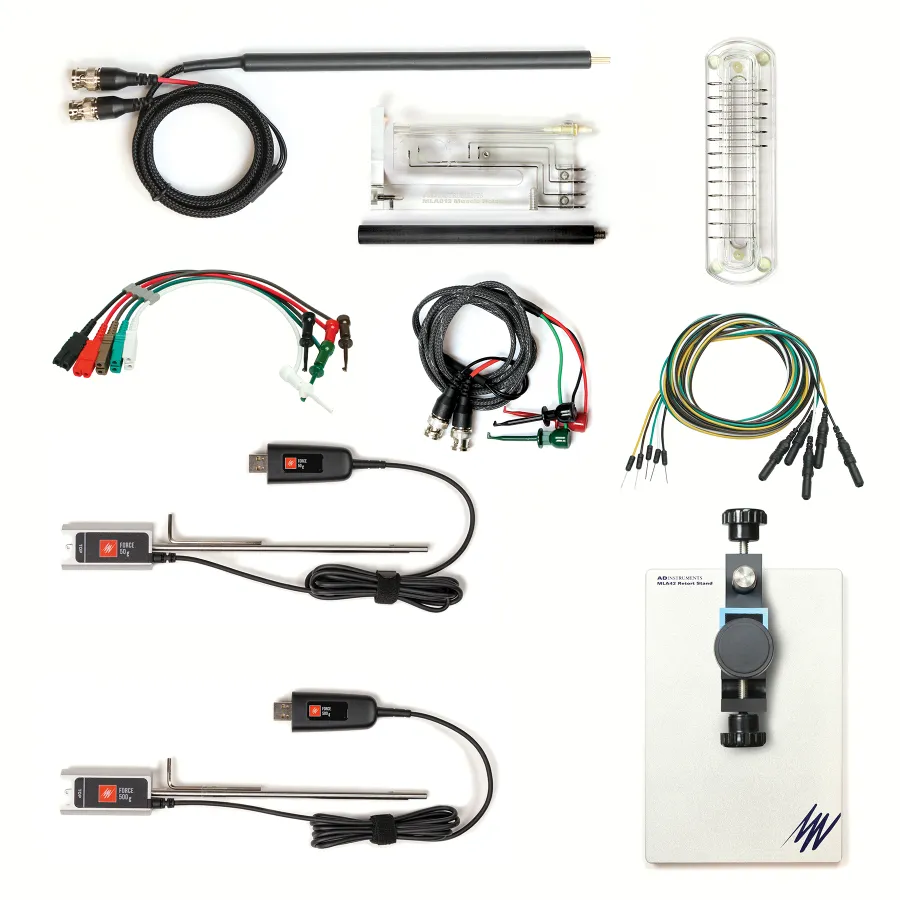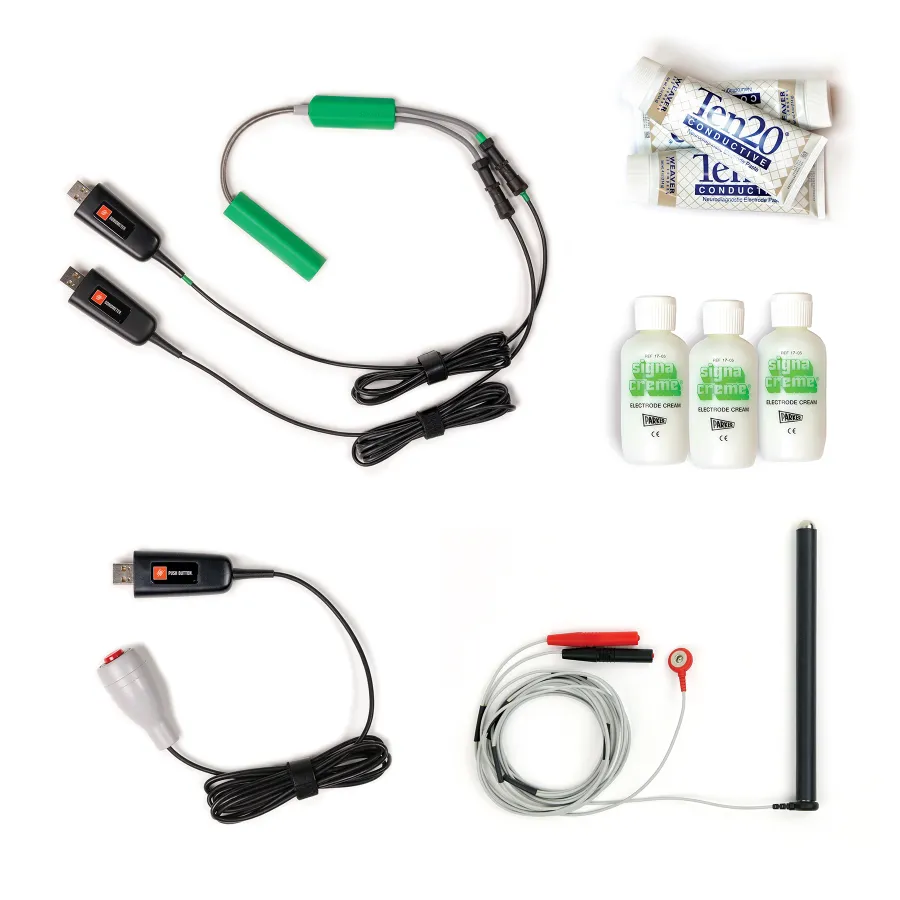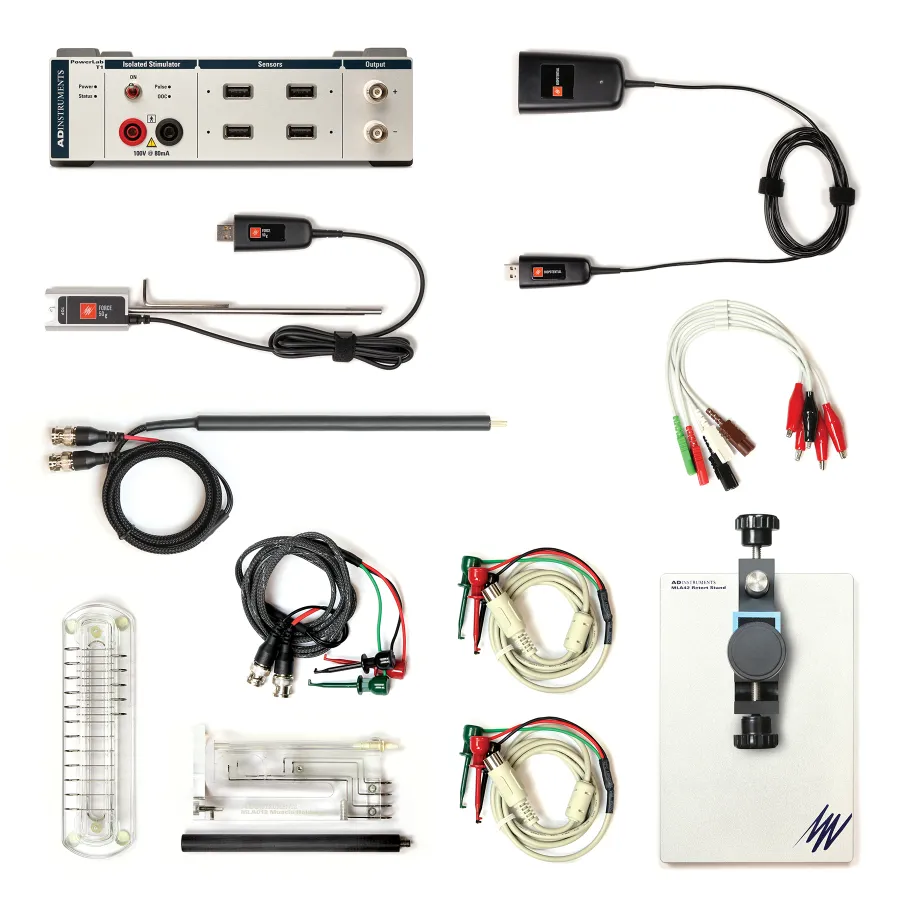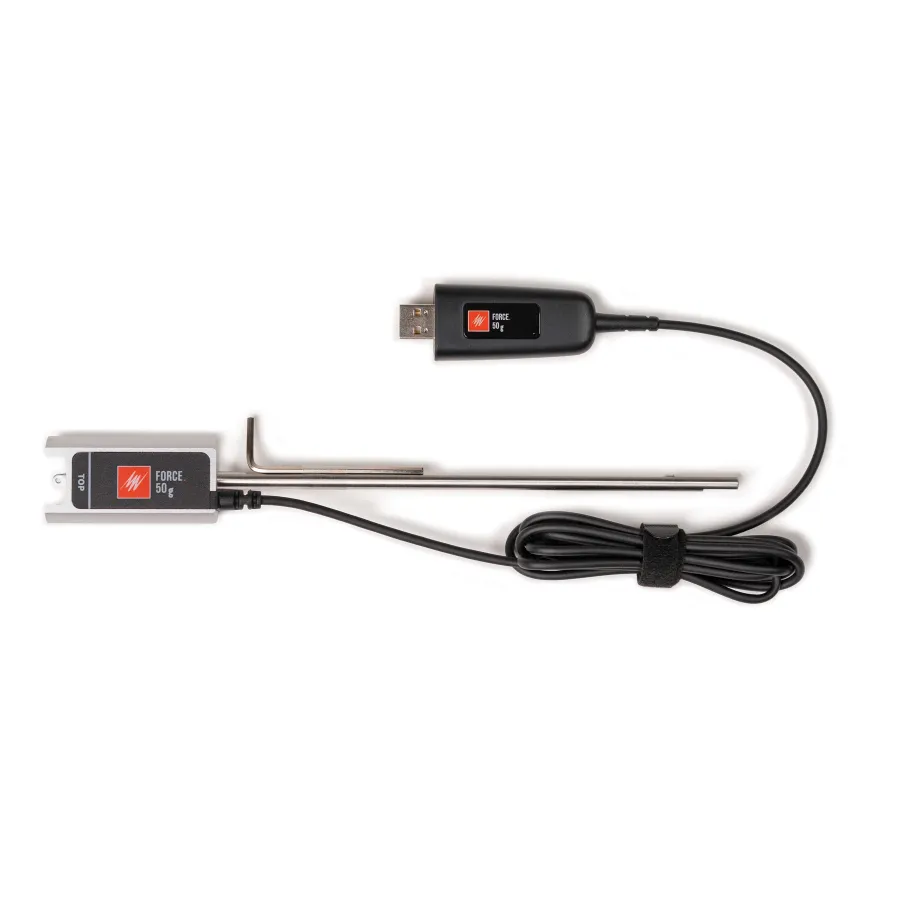

Los Sensores PowerLab ponen el aprendizaje en manos de sus estudiantes, permitiéndoles registrar señales fisiológicas de forma rápida y sencilla en Lt o LabStation.

 Play Video

Todo lo que necesita en un paquete potente y flexible

Los Sensores PowerLab se integran a la perfección con Lt o LabStation, creando una completa plataforma de aprendizaje activo que aumenta el compromiso y la comprensión de los estudiantes.

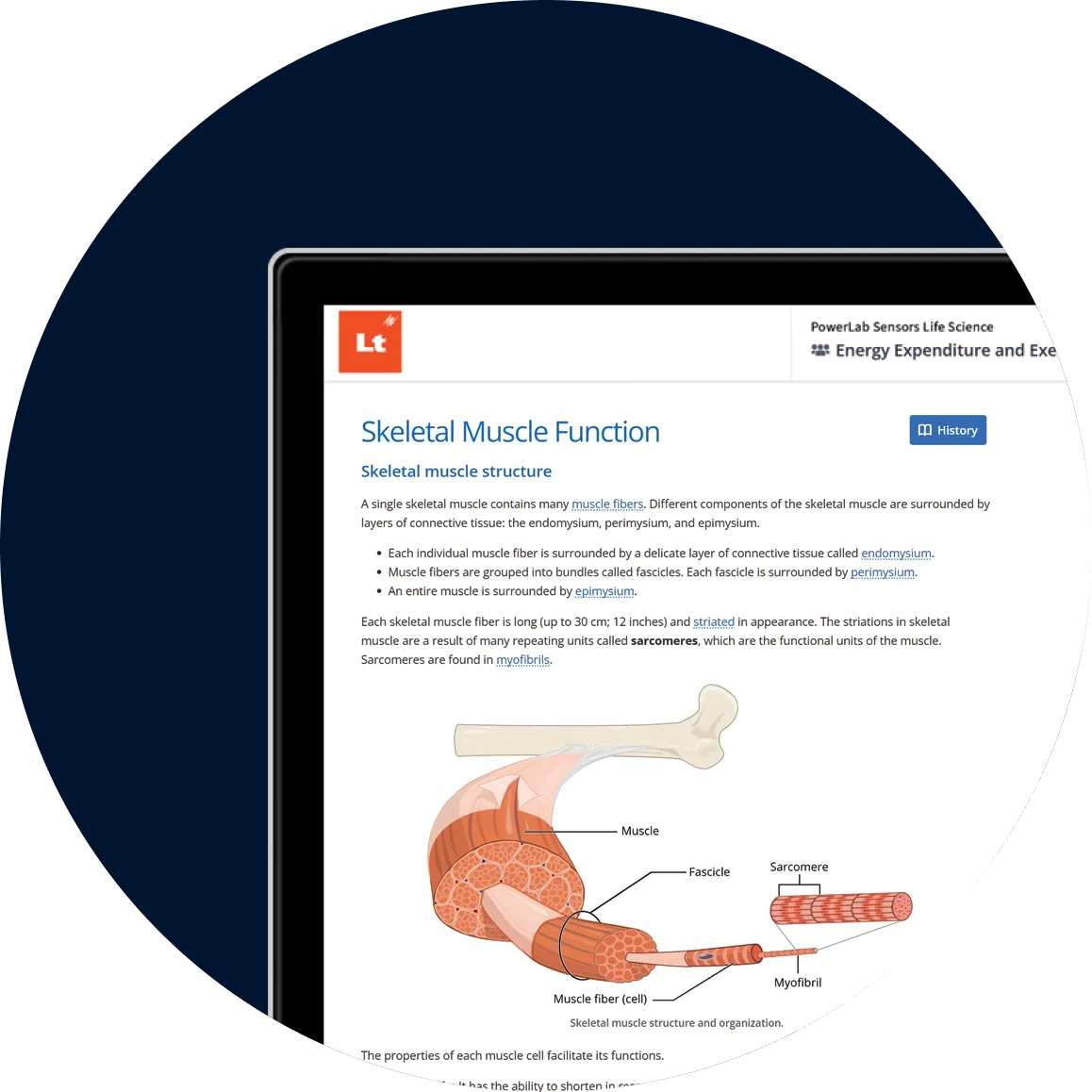
Combine PowerLab Sensors con el Lt, nuestra plataforma de aprendizaje en línea:
 

Lt Online Learning Platform

Más de 900
lecciones totalmente editables

Contenido totalmente personalizable

Agilice la creación de cursos personalizando nuestras lecciones ya preparadas, con contenido de alta calidad, imágenes y experimentos diseñados para apoyar su estilo de enseñanza.
 

Lt Human Physiology Collection

Conecte
mediante USB

Entorno fácil de usar y consistente

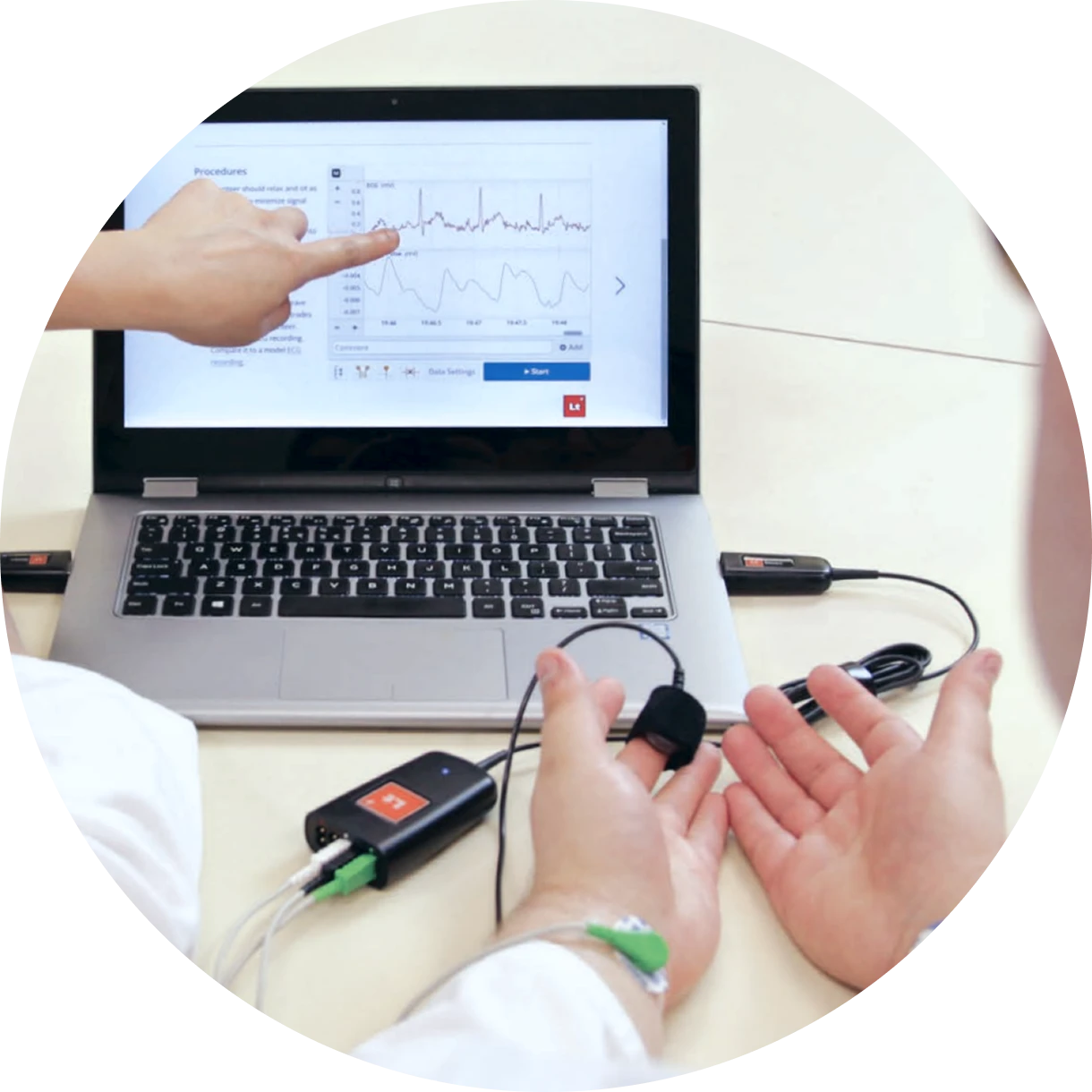
Diseñados para conectarse y grabar directamente en Lt, los Sensores PowerLab minimizan el tiempo de configuración del laboratorio y mantienen a sus alumnos en un entorno digital con el que ya se sienten cómodos.
 

PowerLab Sensors

Convierte cualquier
espacio en laboratorio

Aprenda en cualquier lugar

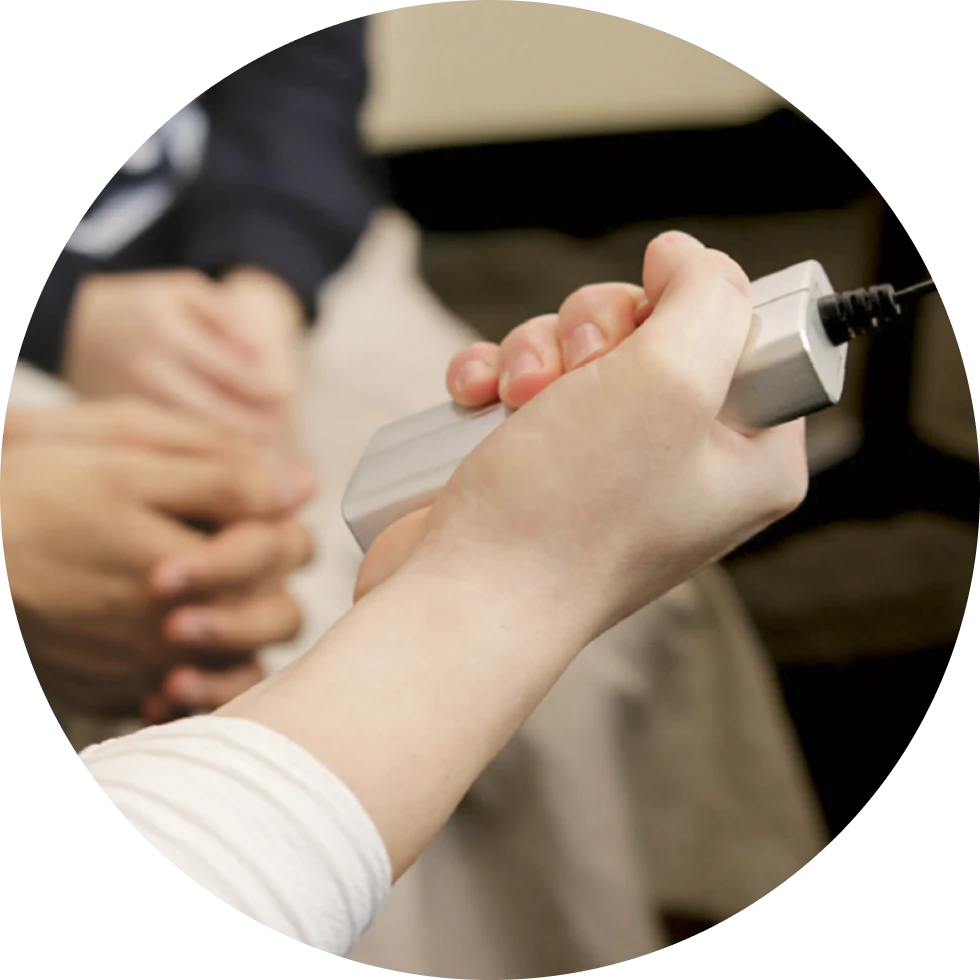
Combinando la sencilla conexión USB de los Sensores PowerLab y la plataforma de aprendizaje en la nube Lt, podrá conectar y grabar señales en cualquier lugar.


Paquetes y capacidades de los Sensores PowerLab

Los Sensores PowerLab pueden adquirirse individualmente o en nuestros paquetes básico o avanzado.

Hay más sensores y kits disponibles si los necesita para su curso.


Paquete Básico

PowerLab Sensors Core Bundle

Capacidad para:

19 laboratorios DAQ
10 señales

+Vea lo que puede enseñar

El Paquete Básico de los Sensores PowerLab le permite investigar una amplia gama de señales biológicas. Contiene seis sensores, un PowerLab T1, así como accesorios y consumibles necesarios para la adquisición de datos en muchos de nuestros laboratorios de fisiología humana.

Laboratorios y señales

19 laboratorios DAQ
10 señales

+Vea lo que puede enseñar

Paquete Avanzado

PowerLab Sensors Advanced Bundle

Capacidad para:

27 laboratorios DAQ
13 señales

+Vea lo que puede enseñar

El Paquete Avanzado de los Sensores PowerLab le permite investigar todas las señales biológicas que ofrecemos. Contiene nueve sensores, un PowerLab T1, así como los accesorios y consumibles necesarios para la adquisición de datos en nuestros laboratorios de fisiología humana.

Laboratorios y señales

27 laboratorios DAQ
13 señales

+Vea lo que puede enseñar


✓Potente

Una herramienta de aprendizaje activo que empodera a los estudiantes.

✓Flexible

Registra datos en el laboratorio o fuera de él.

✓Preciso

Sensores con calidad de investigación, para formar a futuros científicos.

✓Duradero

Construido para laboratorios de enseñanza exigentes y el uso repetido de los estudiantes.

✓Auténtico

Señales fisiológicas reales grabadas ante tus ojos.
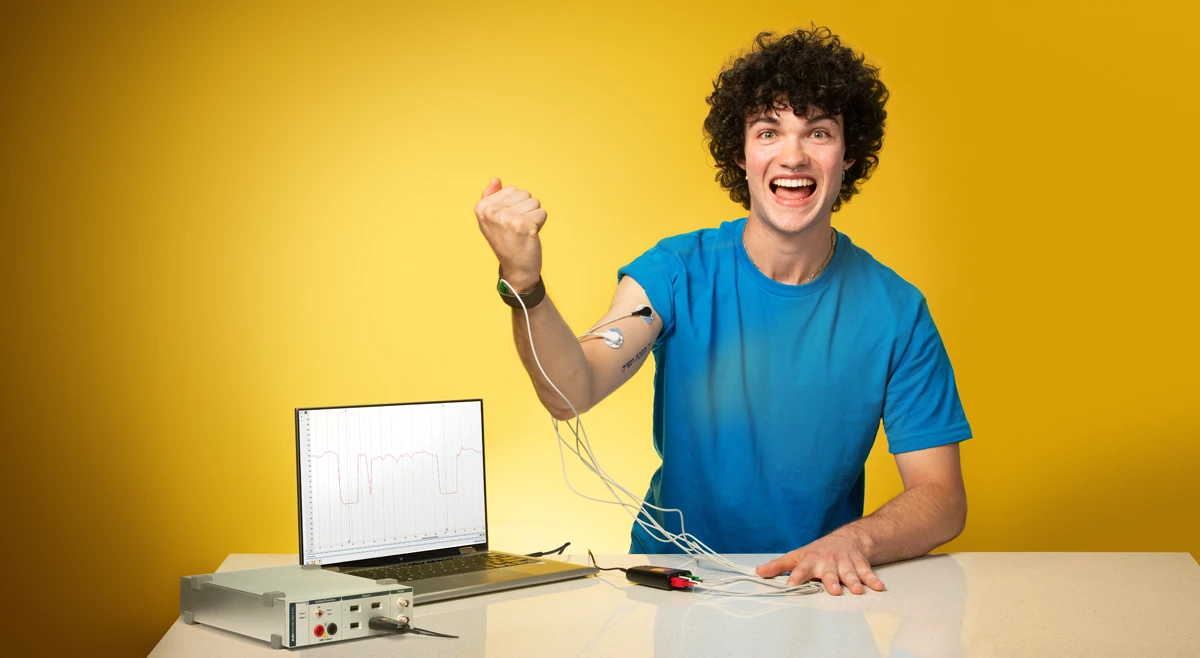
Engage students in active learning with PowerLab Sensors

Nuestros diez Sensores PowerLab se conectan directamente en el Lt a través de la conexión USB de su dispositivo Windows o macOS®. Los estudiantes utilizan los Sensores PowerLab para registrar y analizar sus propias señales fisiológicas en tiempo real - recopilando datos auténticos para experimentos de ECG/EKG, EEG, EMG, EOG, espirometría, frecuencia respiratoria y pulso dactilar. Esta participación activa ayuda a los estudiantes a comprender rápidamente los conceptos fisiológicos básicos en los laboratorios de fisiología humana de Lt.

"El paso a los sensores USB es una idea brillante. Mis alumnos ya no tienen miedo de utilizar un aparato complicado con botones y mandos que necesita operadores especiales. Lo conectan y listo".

Dr. Burhan Gharaibeh
Profesor asociado, Ciencias Biológicas, Universidad de Pittsburgh
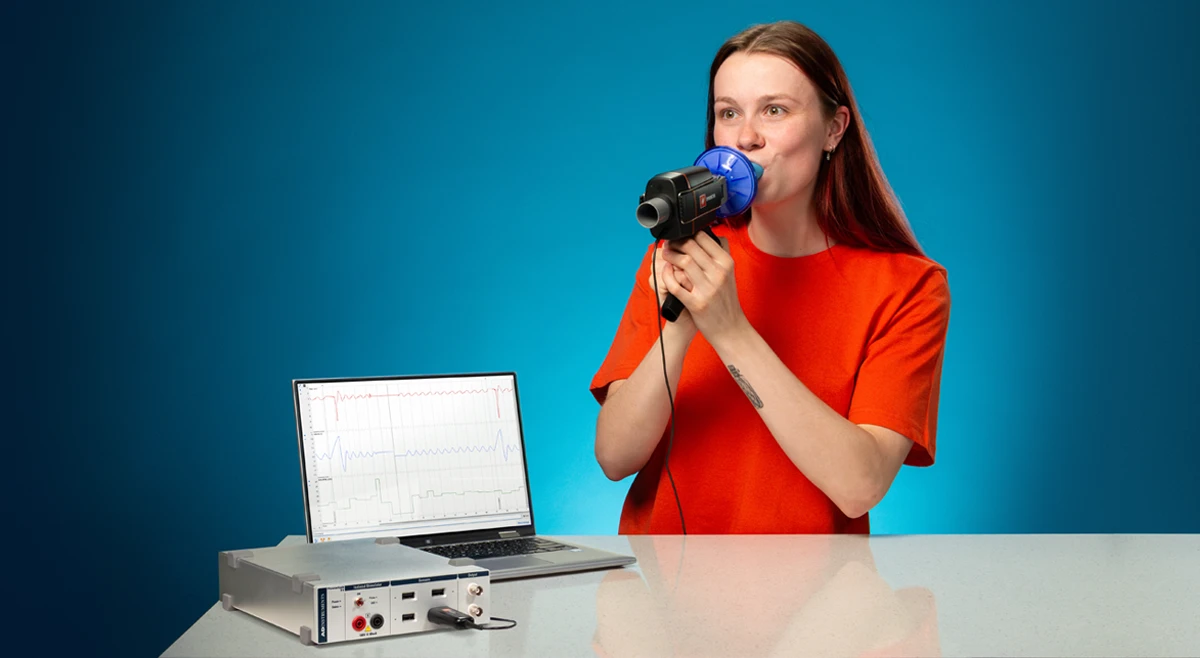
Seamlessly integrate PowerLab Sensors with the Lt
                          learning platform

Los Sensores PowerLab de ADInstruments se conectan directamente a la plataforma de aprendizaje Lt, un sistema de enseñanza basado en la nube que se utiliza en todo el mundo en las ciencias de la vida y la medicina, lo que los hace ideales para clases prácticas basadas en datos en cursos como anatomía, fisiología y ciencias del ejercicio. El diseño plug-and-play permite a los instructores crear laboratorios prácticos con registro de datos en tiempo real, mientras que los estudiantes pueden iniciar sesión para completar las lecciones, responder preguntas y revisar sus propios resultados. Esta integración es compatible tanto con entornos de aprendizaje en laboratorio como remotos, lo que reduce el tiempo de configuración y mejora el compromiso.

"Fácil de usar, sin complicaciones. Los sensores [PowerLab] permiten a los estudiantes centrarse en el aprendizaje, en lugar de en la configuración del hardware."

Dr. Mike Gill
Becario de Práctica Profesional, Fisiología, Universidad de Otago
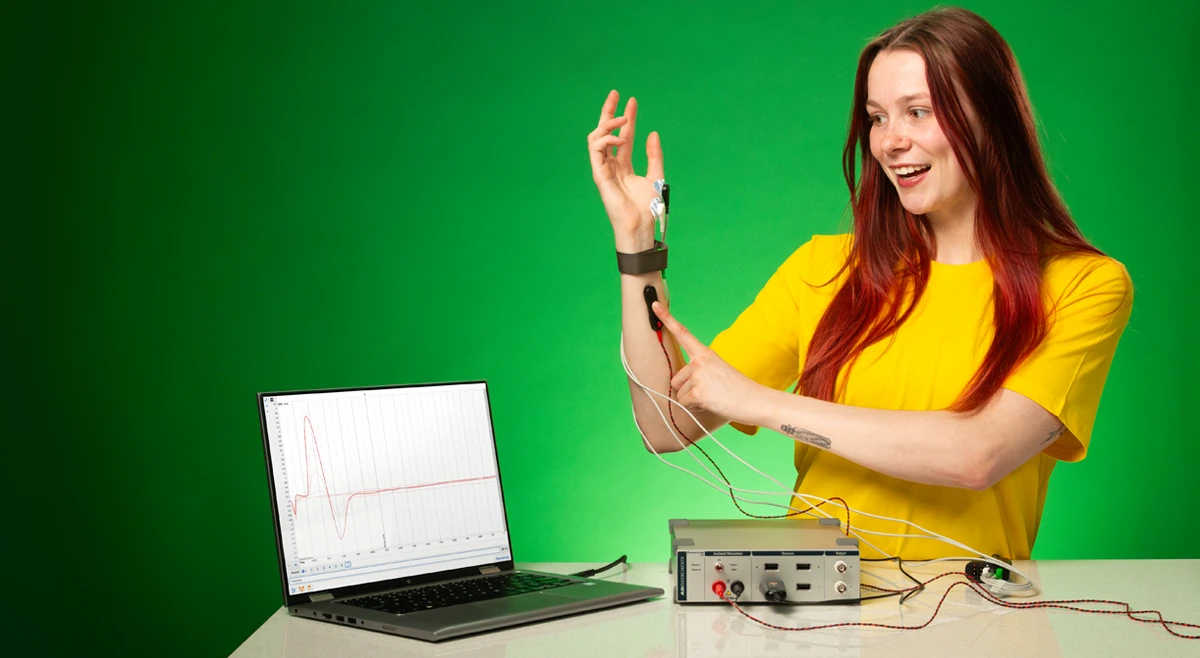
Powerful and accurate

Los Sensores PowerLab son perfectos para los educadores que necesitan hardware nuevo o adicional para los cursos de fisiología humana. Junto con nuestra plataforma de aprendizaje Lt, estos sensores son una solución integrada de adquisición de datos que ofrece a los estudiantes una auténtica experiencia de laboratorio, a la vez que permite flexibilidad entre el aprendizaje presencial y a distancia.

"Disfruté mucho utilizando los sensores, ya que eran más prácticos e interactivos. Definitivamente hicieron que me involucrara más en el trabajo que estaba haciendo... poder trabajar de forma práctica con electrocardiogramas, oxímetros de pulso, termómetros, etc. aportó un tipo diferente de comprensión al contenido del curso."

Estudiante de Fisiología
Universidad de Carolina del Norte en Pembroke


PowerLab T1

La solución ideal de adquisición de datos para experimentos en las clases de ciencias de la vida. El PowerLab T1 es diseñado para soportar un uso intensivo, manteniendo la precisión y fiabilidad de los datos. Ofrezca a sus estudiantes una experiencia de nivel de investigación con adquisición de datos de alta calidad, sincronización de señales de alta frecuencia cuando se utilizan varios sensores y estimulación aislada de 100 V y 80 mA durante un máximo de 10 milisegundos.
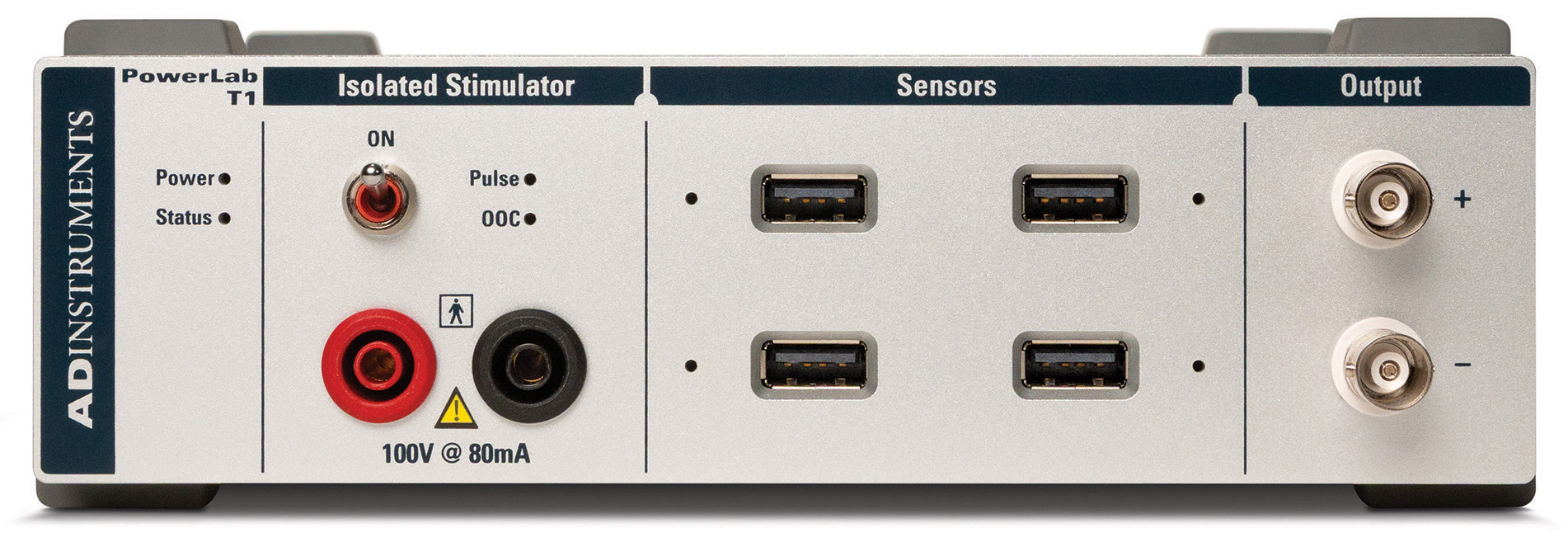
PowerLab T1


Soluciones de software que se adaptan a su laboratorio

Los Sensores PowerLab se integran a la perfección con Lt y LabStation. Simplemente conecte sus sensores y comience a grabar con el software de su elección.

La compatibilidad con LabChart está actualmente en desarrollo para proporcionar una flexibilidad aún mayor.
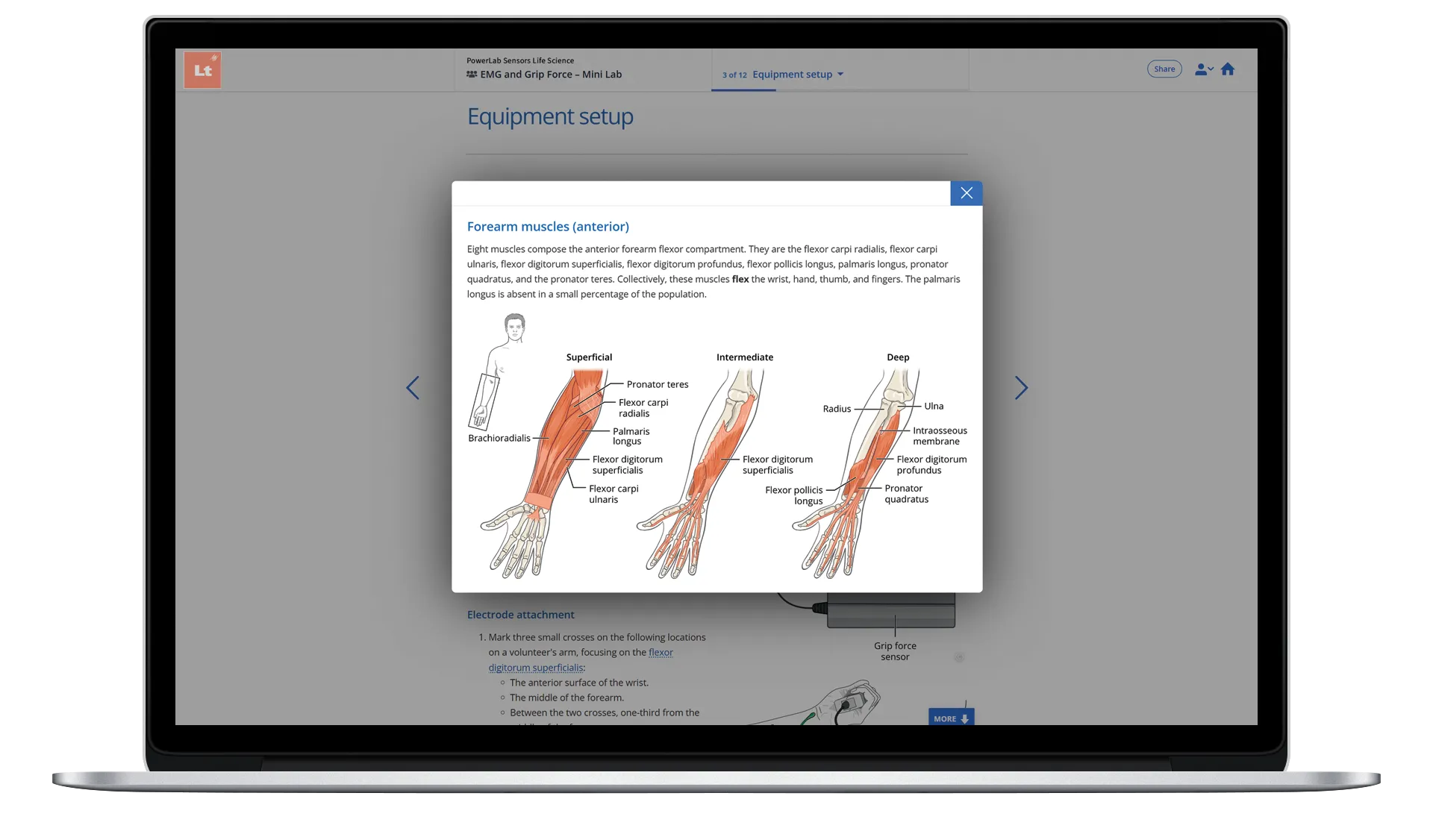
Lt

Lt

Lt es una plataforma de aprendizaje en línea con contenidos listos para usar sobre ciencias de la vida, enfermería y medicina. Dispone de más de 900 lecciones interactivas y totalmente personalizables. Refuerce la teoría a través de la experimentación emparejando Lt con los sensores PowerLab para que los estudiantes puedan registrar y analizar señales fisiológicas en tiempo real.

LabStation

El LabStation es una plataforma de aprendizaje basada en el laboratorio en la que puede crear lecciones interactivas para que los estudiantes trabajen en un entorno sin conexión (se vende por separado). También se pueden utilizar más de 150 lecciones de laboratorio totalmente editables. Los estudiantes pueden registrar y analizar señales fisiológicas utilizando los Sensores PowerLab y Lt LabStation para reforzar la teoría a través de la experimentación.

¿Cuáles laboratorios puedo enseñar con los Paquetes de Sensores PowerLab y la Colección de Fisiología Humana de Lt?

Include Bundle:
Include Sensors:

Airflow

Record spirometry signals and analyze these to derive dynamic respiratory parameters, such as forced expired volume in 1 second (FEV1). Compare these with parameters derived from a simulated airway restriction exercise. Students also learn how to perform peak flow tests to assess pulmonary function.

Products Required: PowerLab Sensors Spirometer

Autonomic Nervous System

Complete the same exercises as performed in a clinical assessment of ANS function. Examine the effects of nerve stimulation and other stimuli on skin potential. Investigate heart rate variability with normal and deep breathing. Observe the physiological effects of the Valsalva maneuver and of rapid postural change. Finally, perform pupillary exercises.

Blood Pressure

Learn how to measure blood pressure with a stethoscope, blood pressure cuff and sphygmomanometer, then visualize changes during a measurement with a Cardio microphone. Assess peripheral circulation changes with a finger pulse transducer. Then examine the effect on blood pressure in the arm with changes in cuff location, cuff size, and arm position. Finally, ask how leg position affects leg blood pressure.

Body Temperature

Learn how to measure body temperature at a variety of sites, how to avoid common errors in measurement, and how to interpret alterations in body temperature. Explore the differences between conductive and convective heat loss with a Thermistor Pod and temperature probe.

Brain Structure and Reflexes

Refresh your knowledge of the major structures of the human brain and view MRI and CT scans. Test the knee and ankle jerk reflex responses with and without the Jendrassik maneuver. Students will also assess their pupillary and plantar reflexes.

Breathing

Students record breathing movements with a respiratory belt transducer to investigate various aspects of breathing, including the ability to hold the breath and the relation between breathing and heart rate.

Cardiorespiratory Effects of Exercise

Record an ECG, blood pressure, and respiratory movements from a healthy volunteer, and compare the recordings made when the volunteer is at rest, during exercise, and immediately after exercise. Students will examine which factors control heart rate, blood flow, and ventilation before, during, and after exercise.

Cardiovascular Effects of Exercise

Record an ECG and the finger pulse from a healthy volunteer, and compare the recordings made when the volunteer is at rest and immediately after exercise. Students will examine the factors that control heart rate and blood flow to tissues before, during and after exercise.

Cold Pressor Test – Mini Lab

Measure blood pressure by auscultation and carry out the cold pressor test. Use a blood pressure sensor and a finger pulse sensor to measure blood pressure, heart rate, and pulse amplitude continuously whilst observing a bodily extremity's reaction to extreme cold.

Diving Response

Investigate the effects of the diving response on heart rate and peripheral circulation in humans during simulated dives as well as breath holding.

Electroencephalography (EEG)

Students explore the electrical activity of the brain. They record electroencephalograms, and analyze: the effect of various interfering signals; the changes to alpha and beta waves with eyes open and shut; and the effects of mental and auditory activity on alpha and beta waves.

Electrogastrography (EGG) – Mini Lab

In this lab, students measure the electrogastrogram (EGG, gastric myoelectrical activity) of a volunteer in a fasted state followed by a fed state. Students compare the frequency and amplitude of gastric waves before and after eating.

Electrooculography (EOG)

In this laboratory students record electro-oculograms (EOG’s) in the horizontal plane. They will examine different eye movements including: angular displacement, saccades, smooth tracking, gaze-holding and gaze-shifting, and nystagmus.

EMG and Grip Force – Mini Lab

In this mini lab, students use surface electromyograms (EMGs) and a grip force sensor to examine the relationship between electrical activity and force during several muscle fatigue activities.

This lab contains the same muscle fatigue activities as the Muscle and EMG lab, with the addition of EMG. The mini-lab could be used as a stand-alone activity, or as a substitute for some activities from the Muscle and EMG lab.

Energy Expenditure and Exercise

Heart and ECG

Measure and analyze the ECG and pulse, and discuss the relationship between them. Compare variations between the different leads of a 12-lead ECG and then perform an Einthoven triangle analysis (ECG example data provided).

Heart and Peripheral Circulation

Examine the direction of blood flow in the veins through a series of occlusion exercises. Practice palpation techniques on arm and leg arterial pulses. Record the radial pulse and discover arterial anastomoses and the connections in the blood supply of the hand.

Products Required: PowerLab Sensors Finger Pulse

Heart Sounds

Listen to heart sounds via a stethoscope by performing auscultation on a volunteer. Record and analyze an ECG in conjunction with a phonocardiogram (PCG) and pulse measurements.Investigate the timing of ECG events and peripheral pulse relative to heart sounds, to determine their relationships.

Hoffmann's Reflex

Stimulate the tibial nerve to measure the Hoffmann's reflex. Determine how the latency and amplitude of the M-wave and H-reflex change under different conditions.

Hyperventilation and Rebreathing – Mini Lab

In this lab, students will use a spirometer sensor to compare how the respiratory rate and expired volume of gas change in response to hyperventilation and rebreathing expired air, in comparison to normal breathing. They will perform breath holds after each breathing pattern and correlate differences in breath hold duration with the proportion of CO2 in the blood.

Products Required: PowerLab Sensors Spirometer

Lung Volumes

Record and analyze spirometry signals to derive static respiratory parameters, such as lung volumes and capacities. Perform basic tests of pulmonary function and simulate breathing with hyperinflated lungs.

Products Required: PowerLab Sensors Spirometer

Mechanics of Ventilation

Examine mechanical properties of the lung and chest wall by measuring pressures generated passively and by contraction of expiratory and inspiratory muscles.

Muscle and EMG

Record EMG during voluntary muscle contractions and investigate how coactivation and contractile force changes with increasing demand. Measure the decline in your Grip force during a sustained contraction and examine muscle fatigue. Discover how visual feedback, verbal feedback, and rest, impact our ability to sustain muscle contractions.

Myotatic Reflex – Mini Lab

Trigger the myotatic reflex on a volunteer by stimulating the patellar tendon. Observe the effects of the Jendrassik maneuver on the myotatic reflex.

Peripheral Nerve Function

Record an evoked EMG following electrical stimulation of the median or ulnar nerve at a variety of stimulating currents. Calculate latency and nerve conduction velocity.

Reflexes and Reaction Times

Students explore the similarities and differences of reflexes and reactions. Students first examine simple reflexes, and then use the PowerLab to examine their reaction times to stimuli under different conditions.

Respiratory Sinus Arrhythmia (RSA) – Mini Lab

In this mini lab students will evaluate the magnitudes of heart rate variability due to different types of respiration (normal, fast, and deep) using a respiratory belt sensor and biopotential sensor.

Skeletal Muscle Function

Refresh your memory of the basic types of contractions. Record and measure muscular twitch responses to nerve stimulation and observe recruitment as stimulus strength increases. Test the effects of stimulus timing on muscle twitch summation and tetanus.

Stroop Test

Students will familiarize themselves with the Stroop Test. They will investigate the interference of conflicting messages, and examine the effects of the Stroop Test as an experimental stressor. This lab is suitable for students at all levels.

Thermoregulation – Mini Lab

Compare the distribution of sweat glands on a volunteer’s hand versus their arm using Lugol’s iodine. Additionally, use a temperature probe to measure the heat released through vasodilated capillaries during exercise. This is a short lab that could be used as a stand-alone activity, or be combined with other related labs such as the Body Temperature and Cardiovascular Effects of Exercise labs.

Try adding a bundle or more sensors to see which labs you can teach.

Auditory System – Mini Lab

In this lesson, students will use a tuning fork to conduct Rinne and Weber tests, and perform a modified audiometry test to determine their hearing threshold for different sound frequencies.

Blood Clotting

This module contains tutorials covering components of blood, blood cell formation, blood type, hemostasis, and breakdown of blood clots. In the lab, learners collect their own ​blood samples via sterile ​lancets to assess bleeding and coagulation time. They will also dilute a blood sample and use a hemocytometer to perform a platelet count and calculate the number of platelets per μL of blood.

Blood Counting

This module contains a tutorial covering components of blood, blood cell formation, and blood type. In the lab, learners collect their own finger prick blood samples to complete a variety of tests. First, students will prepare a blood smear and identify different blood cells under a microscope. Next, students will determine the hemoglobin concentration of their blood sample using a spectrophotometer and perform a hematocrit test. Finally, students will determine their blood type using Eldon Cards.

Endocrine Physiology

The focus of this virtual lab is to explain the basic functionality of the endocrine system, using three endocrine systems as examples: the stress axis (HPA), reproductive axis (HPG), and the metabolic axis (HPT). In the lab, students learn about hormone feedback loops with real-life scenarios. Next, an interactive activity encourages students to use their critical thinking skills to identify a hormone that was administered to a “virtual” rat by analyzing changes in the animal’s organ weights. Students also encounter a simple clinical example of hormone profiles. In the Preclinical Medicine Collection, students also work through a case study on growth complications.

Glucose Absorption

Students investigate how the gut and kidneys handle a carbohydrate load of either glucose or starch. They will eat or drink a variety of substances, then collect their urine and finger-prick blood samples to measure the glucose levels over time.

Kidney and Urine

Estimate your own bladder capacity, update your knowledge of kidney anatomy and view an abdominal CT scan, and perform urine testing on “patient” urine samples, and urine observation.

Mechanical and Chemical Digestion

In this lab, students will explore the effects of mechanical and chemical digestion on the breakdown of three different food substances that represent the macronutrient classes: carbohydrate, protein, and lipid. Student groups will use a simplified lab setup to simulate the processes of mechanical and chemical digestion to determine how important each is in the overall digestive process.

Reproductive Physiology

Learn how reproductive anatomy develops at birth and how it matures and responds to puberty. Investigate how the hormones of the hypothalamic-pituitary-gonad axis interact with reproductive organs in both the testicular and ovo-uterine systems. Explore hormonal control of the menstrual cycle in the ovo-uterine reproductive physiology lab and perform sperm count and motility measurements in the testicular reproductive physiology lab.

Sensory Illusions

Over a series of exercises students investigate mechanisms of sensory perception and discover techniques that send conflicting information to the central nervous system.

Sensory Physiology

Students familiarize themselves with their senses and experiment with sensory illusions. Learn how the body detects and perceives different sensations including touch, sight, taste, and movement. These activities are suitable for students at all levels, and can be performed without hardware.

Water Balance

Learn how the kidneys handle fluid loads. See how urine output and urine specific gravity differ after consuming isosmotic, hyposmotic and hyperosmotic solutions.

Sensores y kits adicionales

Colecciones de Contenido Lt

Preguntas frecuentes, detalles y especificaciones técnicas

¿Está utilizando los Sensores Lt? Consulte nuestra FAQ sobre la transición de Sensores Lt a Sensores PowerLab.

La próxima generación de hardware de ADInstruments, rediseñada específicamente para el aula moderna. Esta línea ampliada combina la integridad de datos de nivel profesional que usted espera con un nuevo y flexible diseño USB-A que facilita la configuración. Cada dispositivo está diseñado para ser potente, fiable y, lo más importante, lo suficientemente duradero como para soportar el uso diario de los estudiantes.

La tecnología inalámbrica es ideal en algunas situaciones, y nosotros producimos soluciones inalámbricas de investigación con nuestra gama Kaha Telemetry. Sin embargo, hemos comprobado que la tecnología inalámbrica funciona mejor en un entorno de laboratorio constante y enfocado, mientras que los Sensores PowerLab están diseñados para usarse donde y cuando los necesite.

Los Sensores PowerLab se desarrollaron como sensores con cable por dos razones principales: primero, optimizar la calidad de la señal fisiológica con el menor hardware y menor tiempo de configuración; segundo, fomentar que los estudiantes interactúen plenamente con el sensor como equipo de investigación.

Al diseñar los Sensores PowerLab como sensores cableados, preservamos la calidad y la velocidad de la señal y eliminamos interferencias de otros dispositivos inalámbricos, sin hardware adicional.

Tanto si desea medir un reflejo rápido como un ciclo cardiovascular complejo, tenemos todo lo que necesita. Los Sensores PowerLab están diseñados para capturar una gran variedad de datos fisiológicos con precisión.

Aquí tiene un resumen de lo que puede medir y qué sensor necesita:

Si quiere medir...Use este sensor:
Actividad cardiaca (ECG), actividad muscular (EMG), movimiento ocular (EOG), actividad cerebral (EEG) o actividad intestinal (EGG)Sensor biopotencial
Actividad cardíaca (ECG)ECG de 12 derivaciones
Velocidad de conducción nerviosaPowerLab T1 y sensor biopotencial
Frecuencia respiratoriaCinturón respiratorio o espirómetro
Volúmenes pulmonaresEspirómetro
Frecuencia cardiacaSensor de pulso dactilar o sensor biopotencial
Amplitud del pulsoSensor de pulso dactilar
Sonidos cardíacos o sonidos de KorotkoffMicrófono cardiovascular
Salida analógica para conexión de tercerosPowerLab T1
Presión arterial (sistólica/diastólica)Transductor de presión arterial
Fuerza de agarre y fatiga muscularTransductor de fuerza de agarre
Reflejos y tiempos de reacciónMartillo tendinoso o pulsador
Temperatura corporalSensor de temperatura de la piel
Ángulos y movimientos articularesGoniómetro
Fuerza generalTransductor de fuerza
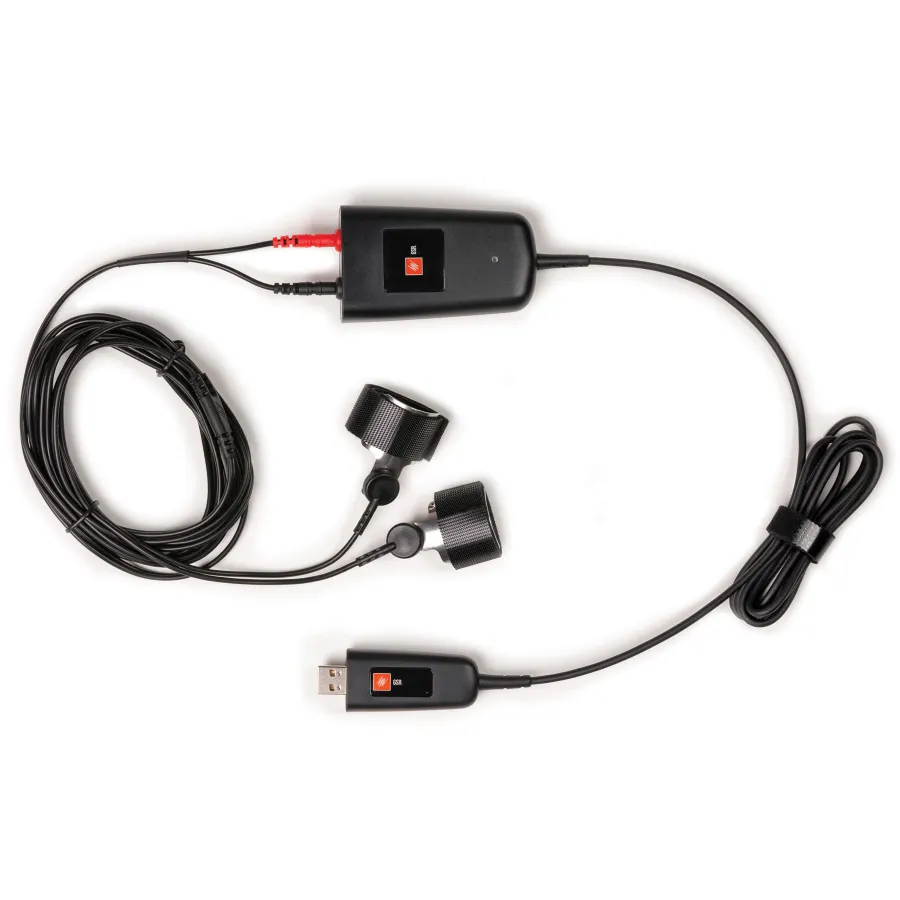
Respuesta galvánica de la piel (respuesta electrodérmica)Sensor GSR

Nota especial sobre el PowerLab T1: si busca llevar su laboratorio al siguiente nivel, el PowerLab T1 es su centro "todo en uno".

Sabemos que las mesas de laboratorio pueden estar abarrotadas, por eso hemos mantenido estas unidades compactas y portátiles.

  • PowerLab T1: pesa menos de 1,6 kg y mide aproximadamente 8" x 2,5" x 10".
  • Sensores PowerLab: cada sensor incluye un cable de 1,8 m (6 pies).

Recomendamos usar el PowerLab T1 como núcleo de su estación, aunque también puede conectar sensores directamente al puerto USB-A del ordenador.

Desde el primer momento, los Sensores PowerLab funcionan con Lt y Lt LabStation.

La gama completa de Sensores PowerLab habilita todas nuestras colecciones de contenido, incluida la Colección de Fisiología Humana.

Sí, muchos clientes usan ambos tipos de dispositivos en el mismo laboratorio docente.

Los Sensores PowerLab usados con Lt son compatibles con ordenadores portátiles o de sobremesa macOS y Windows mediante USB.

Los Sensores PowerLab usados con Lt LabStation son compatibles solo con ordenadores Windows mediante USB.

Consulte Lt Device and Browser Support para más detalles.

Las tarjetas de datos con las especificaciones individuales de los Sensores PowerLab se enumeran a continuación:

Consulte nuestros artículos de soporte de Sensores PowerLab en el hub de soporte de Lt.

Enviar una solicitud de soporte »

¿Tiene alguna pregunta sobre los Sensores PowerLab o Lt? Nuestros expertos en educación están listos para ayudarle.

Contacte con nosotros